February 20, 2026
Choosing a new roof for your home is a significant investment. Beyond aesthetics, your roofing decision impacts durability, energy efficiency, and long-term maintenance costs. With the abundance of roofing materials available, homeowners often weigh the benefits of metal versus asphalt shingles. While each option has distinct advantages, making the right choice starts with finding the right roofing contractor. Working with a qualified professional ensures your roof is installed correctly, lasts its intended lifespan, and protects your home effectively.
Understanding the Key Differences Between Metal and Asphalt Roofs
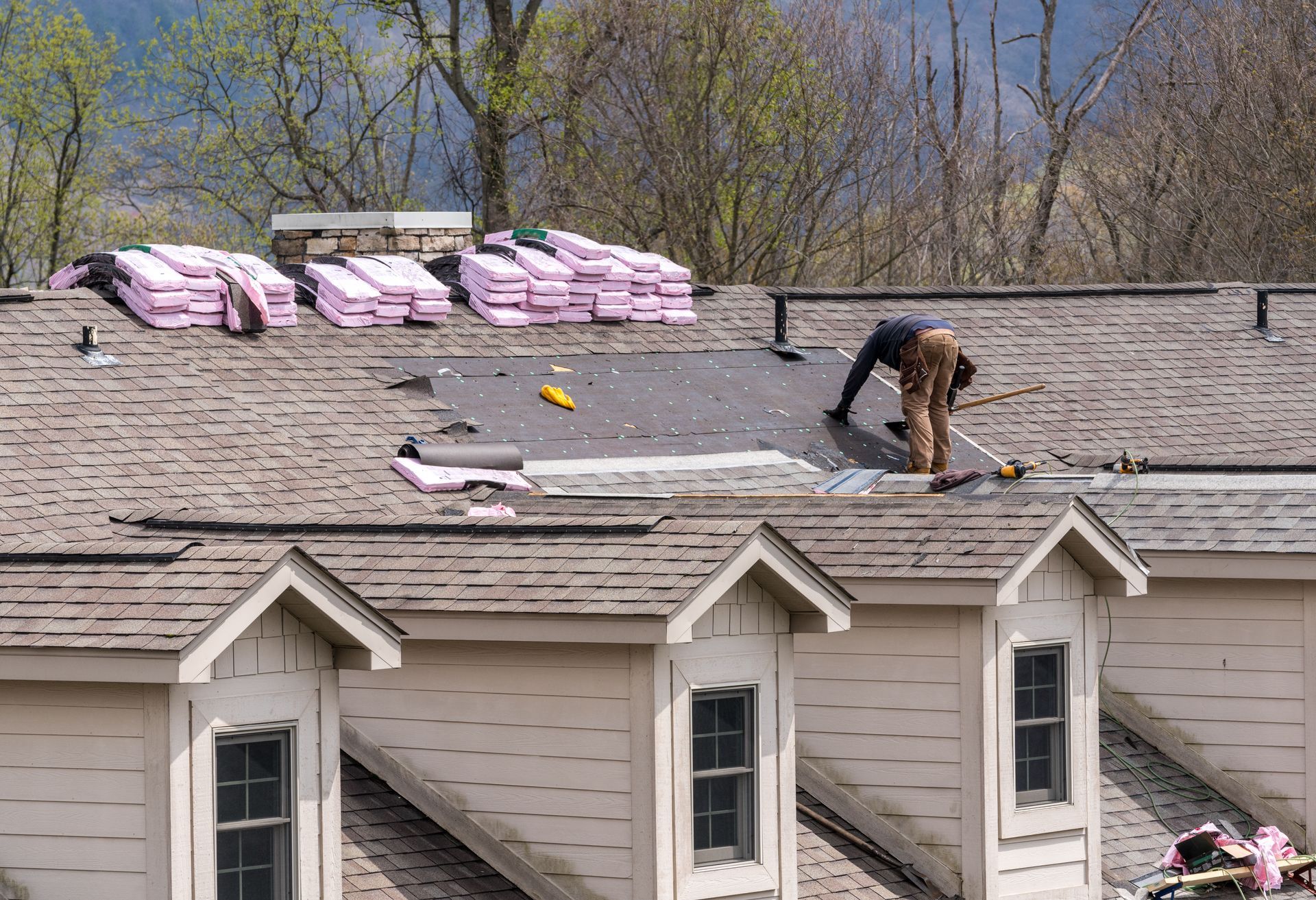
Metal and asphalt roofs differ in material composition, durability, and maintenance needs. Metal roofs, often made from steel, aluminum, or copper, are known for their longevity, sometimes exceeding 50 years, in our experience. They are resistant to fire, rot, and insect damage, and many metal roofs are energy-efficient, reflecting heat away from your home. On the other hand, asphalt shingles are a popular choice because of their affordability, ease of installation, and versatility in design. According to This Old House, asphalt shingles typically have a lifespan of up to 30 years, making them a reliable option for many homeowners.
While asphalt may require replacement sooner than metal, it is easier to repair and comes in a wide variety of colors and textures. Metal roofs can be more expensive upfront but often save money in the long term due to lower maintenance and energy costs. These material differences underscore the importance of hiring a roofing contractor who is experienced with the specific type of roof you choose, ensuring proper installation and adherence to manufacturer guidelines.
Evaluating Experience and Expertise in Your Roofing Contractor
When searching for a roofing contractor, experience and expertise should be your top priorities. A professional with a proven track record in both metal and asphalt roofing can provide informed recommendations based on your home's structure, climate, and budget. Ask prospective contractors about their portfolio of completed projects and the materials they specialize in. Contractors who routinely handle both types of roofs can guide homeowners through the trade-offs between upfront costs, lifespan, and maintenance requirements.
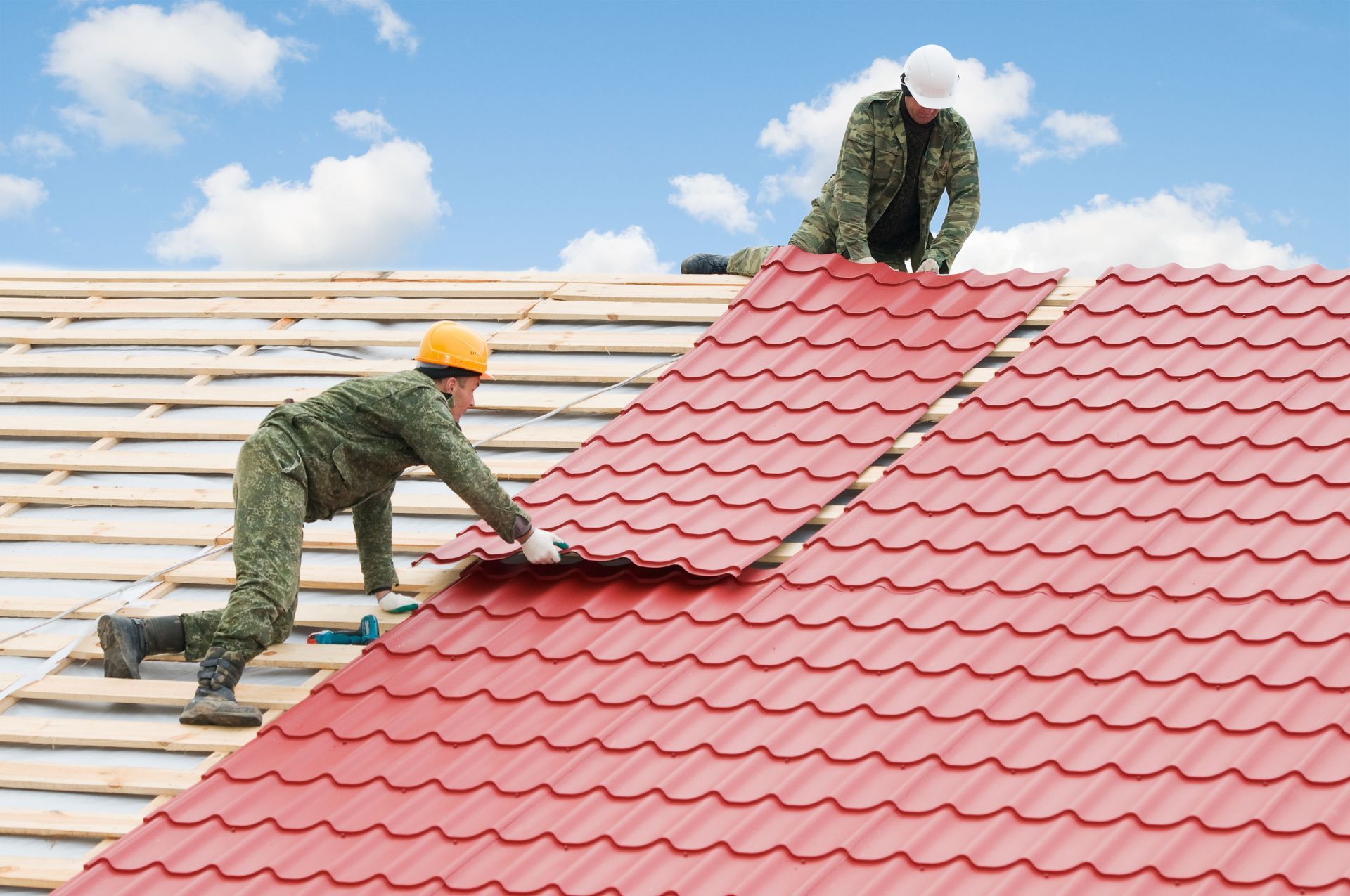
Experience also affects installation quality. Poorly installed roofing can lead to leaks, reduced lifespan, and costly repairs. While DIY installation might seem appealing for asphalt shingles, even a minor error in placement or underlayment can void manufacturer warranties. Metal roofs, in particular, require specialized knowledge of panel interlocking systems, fastener types, and thermal expansion considerations. Hiring a skilled roofing contractor ensures your roof performs as expected for years to come.
Considering Licensing, Insurance, and Local Compliance
A reputable roofing contractor should be fully licensed, insured, and compliant with local building codes. Licensing ensures the contractor meets state-mandated standards for skill and professionalism. Insurance protects homeowners from liability if accidents or property damage occur during installation. Without proper coverage, a DIY approach or hiring an unlicensed worker could leave you financially responsible for injuries or mistakes.
Additionally, roofing regulations vary by location. Some municipalities have specific requirements for wind resistance, fire ratings, or stormproofing that differ for metal and asphalt materials. An experienced roofing contractor is familiar with these local standards and can secure the necessary permits, preventing potential fines or complications during inspection. This is particularly important for metal roofing, which may require specialized anchoring and fireproofing that not all contractors are equipped to handle.
Comparing Cost Considerations Between Metal and Asphalt Roofs
Cost is often the most immediate concern for homeowners. Asphalt shingles typically have lower upfront costs, making them appealing for budget-conscious projects. They are widely available, easy to transport, and require less specialized equipment for installation. However, the lower cost may be offset over time by the need for more frequent maintenance and eventual replacement.
Metal roofs generally have a higher initial price tag, but they can reduce long-term expenses due to their longevity, minimal maintenance, and potential energy savings. Reflective metal surfaces can lower cooling costs in warm climates, and the durability of metal reduces the likelihood of repairs caused by storm damage or wear and tear. A qualified roofing contractor can provide a detailed cost-benefit analysis, helping homeowners make an informed decision between the short-term affordability of asphalt and the long-term investment of metal.
Assessing Aesthetic Options and Home Compatibility
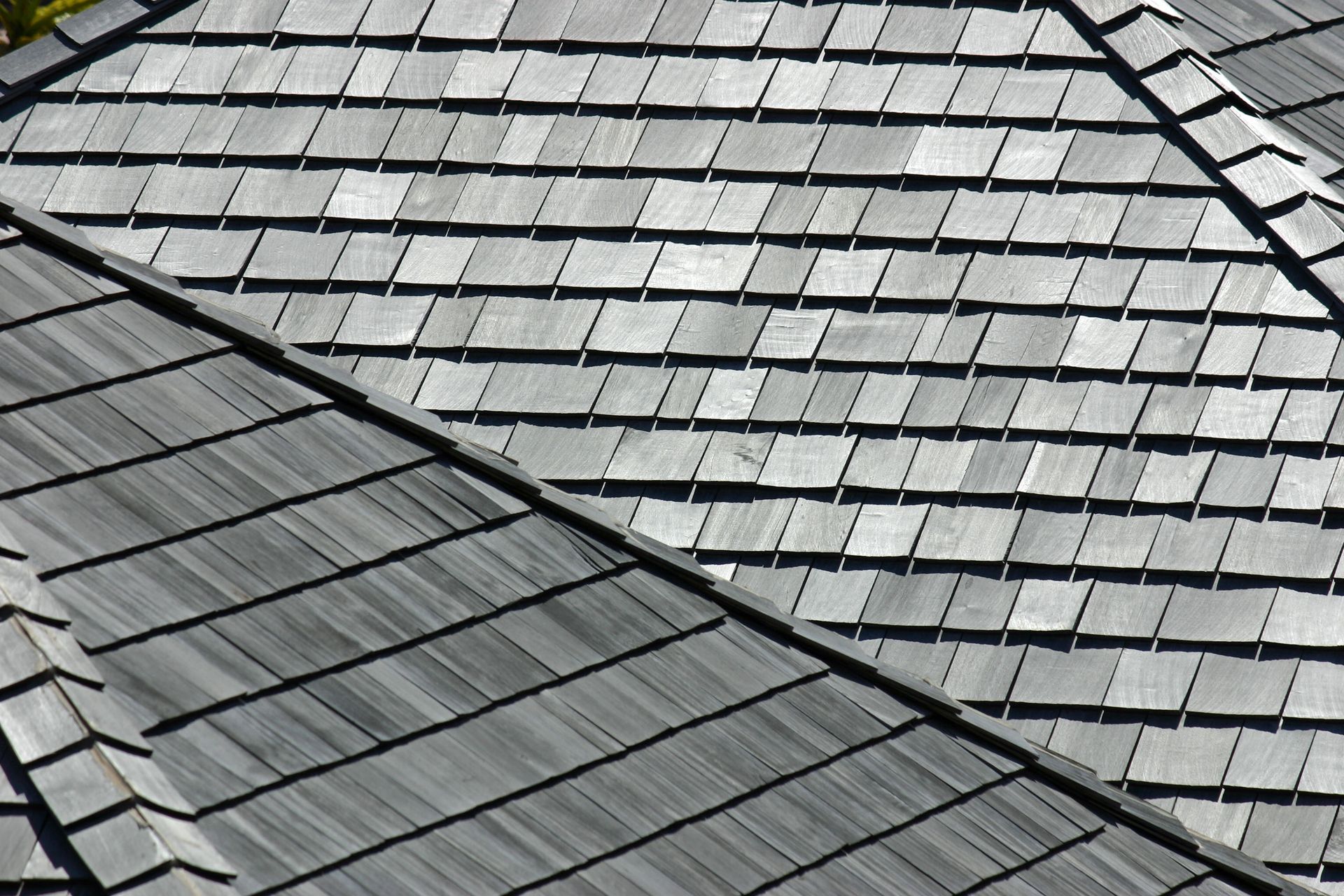
Both metal and asphalt roofing offer aesthetic flexibility, but their design characteristics differ. Asphalt shingles are available in a wide range of colors, styles, and textures, allowing homeowners to mimic the look of slate, wood, or tile at a fraction of the cost. This versatility makes asphalt an ideal choice for traditional residential architecture.
Metal roofs, by contrast, provide a sleek, modern appearance but also come in styles that replicate shingles or tiles. They are particularly suited for contemporary homes, commercial properties, or areas with extreme weather. When selecting a roofing contractor, look for someone who can offer examples of completed installations in styles similar to your home's design. A contractor with experience in both materials can guide you toward a choice that balances aesthetics, performance, and property value.
Prioritizing Safety and Structural Integrity
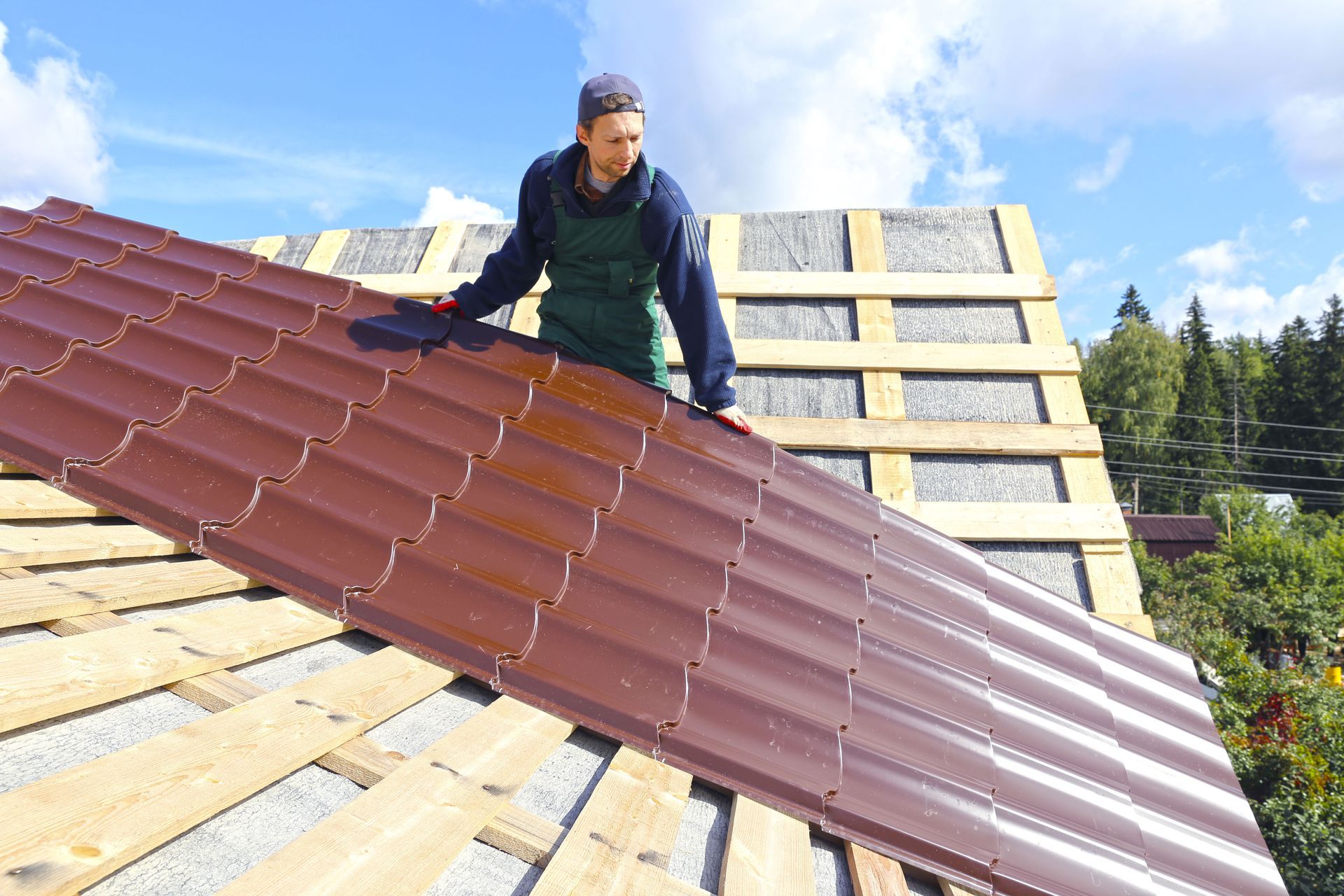
Roofing installation involves working at height, handling heavy materials, and navigating challenging weather conditions. Safety should be a primary concern when choosing a roofing contractor. Professionals bring the proper equipment, training, and experience to complete the job safely. Attempting a DIY project, particularly with metal roofing, can be hazardous due to sharp edges, slippery surfaces, and complex installation techniques.
Structural integrity is another consideration. Asphalt shingles are relatively lightweight, but improper installation can compromise roof stability. Metal panels are heavier and can affect load distribution differently. A qualified roofing contractor evaluates your home's structure, ensures proper underlayment, and uses appropriate fasteners to prevent long-term damage. This level of expertise protects both your family and your property, reinforcing the value of professional installation over DIY approaches.
Comparing Energy Efficiency and Environmental Impact
Metal roofs are widely recognized for their energy efficiency. Reflective coatings and light-colored finishes can reduce heat absorption, lowering cooling costs in warm climates. Some metal roofs also incorporate recycled materials, making them a more sustainable option. Asphalt shingles, while less energy-efficient by comparison, can still contribute to energy savings when installed with proper underlayment and ventilation.
A roofing contractor can evaluate your home's orientation, insulation, and climate to recommend the most energy-efficient solution. Professionals can also install ventilation systems that maximize the effectiveness of either roofing material. This guidance is particularly valuable for homeowners seeking to reduce energy costs while maintaining the structural integrity and aesthetic appeal of their home.
Making the Final Decision With a Trusted Roofing Contractor
Ultimately, the choice between metal and asphalt roofing depends on your priorities: budget, longevity, aesthetics, energy efficiency, and maintenance preferences. A knowledgeable roofing contractor serves as a trusted advisor throughout this process, offering insights based on experience, local building codes, and material science. They can help you weigh the pros and cons, ensure proper installation, and secure manufacturer warranties.
Skipping professional guidance or attempting a DIY installation may seem cost-effective initially, but it often leads to higher expenses, shorter roof lifespan, and potential safety hazards. Investing in a skilled roofing contractor ensures your roof performs optimally, protects your home, and maintains its value for decades.
Selecting between metal and asphalt roofing is a critical decision for any homeowner. By working with a licensed, insured, and experienced roofing contractor, you can ensure your new roof is installed safely, meets warranty requirements, and provides lasting protection. Asphalt offers affordability and versatility, while metal delivers longevity and energy efficiency — each material has its place depending on your home's needs and your long-term goals.
At Roofing USA, we help homeowners navigate these choices with expert guidance and professional installation. Let us evaluate your property, discuss your options, and provide a solution that balances performance, style, and budget. Contact us today to schedule a consultation and secure the roof your home deserves.